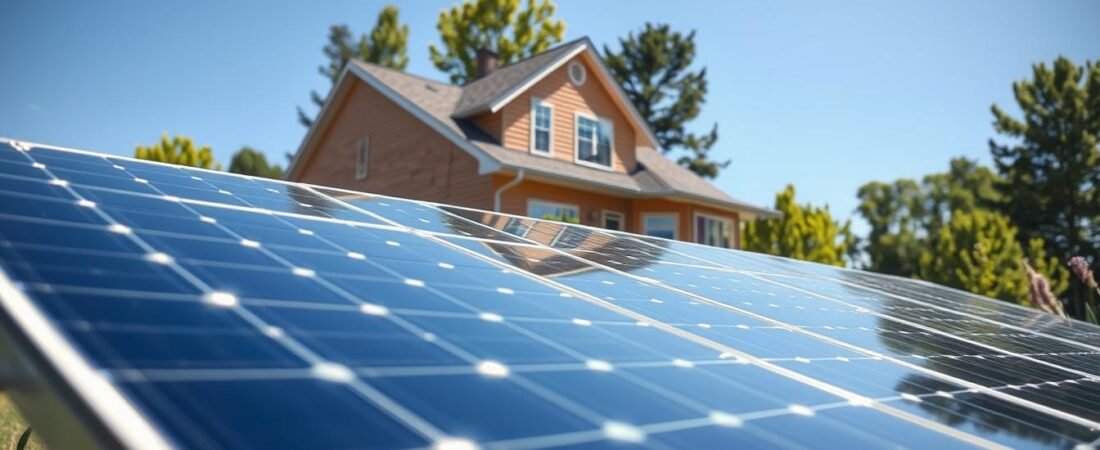
Thinking about renewable power for your home? Rising utility bills make switching to local generation a smart financial move. In Minnesota, the average system price sits near $3.02/W installed as of April 2026, and many homeowners see strong returns over a 25–30 year period.
This guide breaks down what matters: how system size, installer quotes, and available tax credit incentives affect your price and payback time. We explain the major factors that shape long-term savings and show how to compare offers from reputable companies.
Investing in rooftop generation is a significant step, but it can lock in predictable energy rates while utility bills keep climbing. Read on for clear, friendly help to decide if this investment fits your money goals and household needs.
Understanding the Solar Panel Cost MN Landscape
Despite cold winters, Minnesota’s market and mandatory net metering rules help homeowners capture meaningful long-term savings from rooftop systems.
Local utility rates, sunlight patterns, and state policy shape how attractive residential installations can be. Minnesota often posts prices below the national average, which helps make payback faster for many homes.
Key local advantages:
- Mandatory net metering for investor-owned utilities lets homeowners earn credits for excess generation.
- Smaller average system sizes in the state keep upfront installation prices more manageable.
- Strong local competition among companies produces better quotes and service options.
Choosing higher-efficiency equipment can boost output on shorter winter days and increase overall savings. Homeowners who pay with cash often see the quickest payback, while comparing multiple installers is essential to get the best price and warranty for your home.
Average Pricing and System Size Requirements
Per-watt pricing and total array size determine what you pay now and what you save later. Use the per-watt metric to compare installer quotes and make apples-to-apples comparisons.
Cost Per Watt Analysis
The statewide average sits at $3.02 per watt as of April 2026. That figure helps normalize offers from different companies.
Looking at price per watt reveals bulk discounts and equipment differences. It also shows whether a quote includes labor, permits, and necessary equipment.
Impact of System Size
A typical 11.94 kW system in Minnesota totals about $36,098 before incentives. A smaller 5 kW setup is roughly $15,114.
Smaller homes may only need the 5 kW option to offset bills, while larger families often choose bigger systems for greater long-term savings.
“Choosing the right size means matching expected electricity use with realistic production.”
- Compare monthly electricity to expected yearly production.
- Ask installers for per-watt breakdowns and how incentives or cash payments affect final prices.
Key Factors Influencing Your Total Investment
How much electricity you use each month shapes the system size and long-term savings more than any other variable.
In Minnesota, the typical home uses about 775 kWh per month. That is lower than the national average. Lower usage often means a smaller system and a lower total price.
Energy Consumption Patterns
- Your usage controls size: Higher energy needs require a larger system and more panels, which raises upfront costs but can boost lifetime savings.
- Per-watt pricing helps compare quotes, but total investment depends on real monthly electricity needs.
- High-efficiency panels generate more power in less roof space. That can keep installation price reasonable when space is limited.
- Equipment quality, permits, and local labor rates also influence final costs and long-term performance.
Tip: Review a year of utility bills before you decide. Accurate data prevents oversizing and maximizes savings.
“Match system size to real use, not to guesses about future needs.”
For a deeper look at pricing and how to plan the right system, start by understanding the cost and comparing installer quotes.
Navigating Federal and Local Solar Incentives
Incentives can radically change the net price of going green for your home. Knowing which credits and exemptions apply helps you plan a realistic budget and timeline for payback.
Federal Tax Credit Explained
The federal tax credit lets homeowners deduct 30% of the installed system from their federal taxes. That credit directly reduces your federal tax bill in the year after installation, lowering the true out‑of‑pocket expense.
State and Local Perks
Minnesota offers property and sales tax exemptions that often save thousands over a system’s life.
Local utilities like Xcel Energy or Minnesota Power may also offer rebates that stack with the federal tax credit.
“Combine federal and local incentives to shorten payback and increase lifetime savings.”
| Incentive Type | Who Offers It | Typical Impact | Notes |
|---|---|---|---|
| Federal Tax Credit (30%) | Federal | Reduces federal tax owed by 30% of installation | Claim in year after installation; consult tax pro |
| Property Tax Exemption | Minnesota | Limits increase in property taxes from added value | Saves over life of system |
| Sales Tax Exemption | Minnesota | Removes state sales tax from equipment purchases | Immediate reduction at purchase |
| Utility Rebates | Local Utilities | One-time rebate or bill credit | Varies by company and program |
Tip: Ask your chosen companies to handle incentive paperwork and verify available rebates when you request quotes.
Comparing Solar Financing Options
How you finance a home energy system can change the length of payback and total lifetime savings.
Paying in cash gives the highest long-term savings and the shortest payback. You avoid interest and keep full control of your system and tax benefits.
A solar loan is a common alternative. Loans still let homeowners claim the federal tax credit and often preserve many ownership perks. Interest adds to overall costs, so compare rates carefully.
Leases and PPAs lower the barrier to entry, but they usually do not allow the homeowner to claim the tax credit. That means lower upfront price but smaller lifetime savings.
“Ownership unlocks the largest financial benefits over time.”
- Cash: best total savings, no interest.
- Loan: keeps the federal tax credit, spreads payments.
- Lease/PPA: lower monthly outlay, fewer tax and incentive benefits.
| Option | Tax Credit Eligible | Typical Impact | Best For |
|---|---|---|---|
| Cash | Yes | Maximizes savings; shortest payback | Buyers with available capital |
| Loan | Yes | Spreads price; preserves incentives | Owners who need financing |
| Lease / PPA | No (usually) | Lower monthly price; lower lifetime savings | Renters or low-upfront buyers |
Evaluating Top Minnesota Solar Installers
Choosing the right installer makes a big difference in system performance and long-term savings. Start by narrowing candidates to firms with strong local track records and verifiable reviews. That reduces risk and helps protect your investment.
- Compare at least three quotes. Look at equipment brands, labor warranties, and the fine print on timelines and permits.
- Trust certified names: Top-rated companies include SunPower, Sisu Solar, Centauri Systems, All Energy Solar, and Wolf River Electric.
- Request a site assessment. A professional will propose the best system minnesota layout for roof angle, shading, and local weather.
- Check long-term warranties. Good companies back workmanship and output for many years and help with incentives and tax paperwork.
- Read local reviews. Past homeowners’ experiences show how installers handle scheduling, permitting, and post-installation service.
Tip: A reputable installer simplifies interconnection and saves time on inspections. That often lowers overall costs and speeds your path to reliable home energy.
“A well-vetted installer makes installation smoother and maximizes lifetime savings.”
The Role of Energy Efficiency and Panel Quality
Equipment choice shapes long-term production and returns. In Minnesota, where the state averages about 195 sunny days a year, choosing higher-efficiency modules can make a real difference.
High-Efficiency Panels vs Standard Options
High-efficiency solar panels deliver more power per watt and perform better in low light or when snow partially covers the roof.
Standard panels may have a lower upfront price, but they often produce less over the system’s life. That can raise lifetime costs and lengthen payback.
- High-efficiency gear boosts output from limited roof area.
- Better performance in winter improves year-round energy yields.
- Discuss efficiency with your installer to see if extra price justifies long-term value.
| Feature | High-Efficiency | Standard | When to Choose |
|---|---|---|---|
| Production per watt | Higher | Lower | Limited roof or fewer sunny days |
| Winter performance | Better in low light/snow | Reduced output | Homes with regular snow cover |
| Price vs value | Higher upfront; better lifetime value | Lower upfront; lower lifetime yield | Budget-sensitive buyers or large roof area |
“A well-designed system size using high-efficiency modules can offset more of your home’s monthly bills.”
Maintenance and Long-Term Operational Costs
Most homeowners find that keeping their system running well takes little time or money. Natural rainfall in Minnesota usually keeps modules clean enough for steady production.
Routine care means occasional visual checks and a yearly inspection by your installer. Those checks spot loose wiring, inverter issues, or shading changes before they reduce output.
Warranties protect your investment. Most manufacturers guarantee workmanship and output for 25–30 years, which limits unexpected long-term expenses.
- Cleaning: optional for most homes, often handled by rain.
- Inspections: annual checks by a pro catch issues early.
- Records: keep installation and warranty paperwork in one place.
“Lifetime operational costs are small compared with ongoing utility bills.”
| Item | Typical Impact | Notes |
|---|---|---|
| Routine cleaning | Low | Mostly unnecessary; consider after heavy pollen or debris |
| Annual inspection | Moderate | Helps maintain production and warranty compliance |
| Warranty coverage | High | Covers defects for 25–30 years; reduces repair costs |
Paying with cash removes loan payments and simplifies long-term planning. Overall, the small upkeep costs support strong lifetime savings from reduced utility use and steady energy output.
Future Trends for Solar Energy in Minnesota
Minnesota is poised for steady growth in distributed clean generation as technology and policy push adoption forward.
Prices have dropped roughly 53% over the past decade, driven by factory scale and improved module efficiency. That trend supports lower per watt pricing and smaller average payback times for homeowners.
The state’s renewable goal of 50% clean electricity by 2035 keeps the policy environment favorable. Stable incentives and growing competition among companies should keep installation prices competitive.
Expect systems to get more efficient. New gear produces more power per watt even in northern climates. That helps smaller roofs deliver bigger savings and makes system size planning simpler.
“Now is an excellent time to invest: lower prices plus steady incentives boost near-term savings.”
| Trend | What It Means for Homeowners | When to Act |
|---|---|---|
| Falling hardware prices | Lower upfront price per watt and faster payback | Buy when local incentives are confirmed |
| Efficiency gains | Smaller arrays can meet more electricity needs | Good for homes with limited roof area |
| Policy targets (50% by 2035) | Stable incentives and better utility programs | Act while rebate programs remain available |
| More installers | Better quotes and service options from competition | Compare multiple bids for best value |
Stay informed on local programs and compare quotes. Doing so helps you lock in savings as prices and incentives keep improving.
Conclusion
Homeowners who plan carefully capture steady savings and protect against rising electricity rates.
Investing in rooftop generation typically returns value over decades. Many Minnesota owners see average savings near $21,426 over 25 years when they combine incentives and good design.
Claim the federal tax credit and local rebates to lower upfront outlays. Compare multiple quotes to find the right system and warranty for your roof.
High-quality panels are durable and low maintenance. With basic annual checks, they deliver clean energy for years and reduce ongoing utility bills.
Ready to act? Use our calculator for a personalized estimate, then contact trusted installers to lock in benefits and start saving.