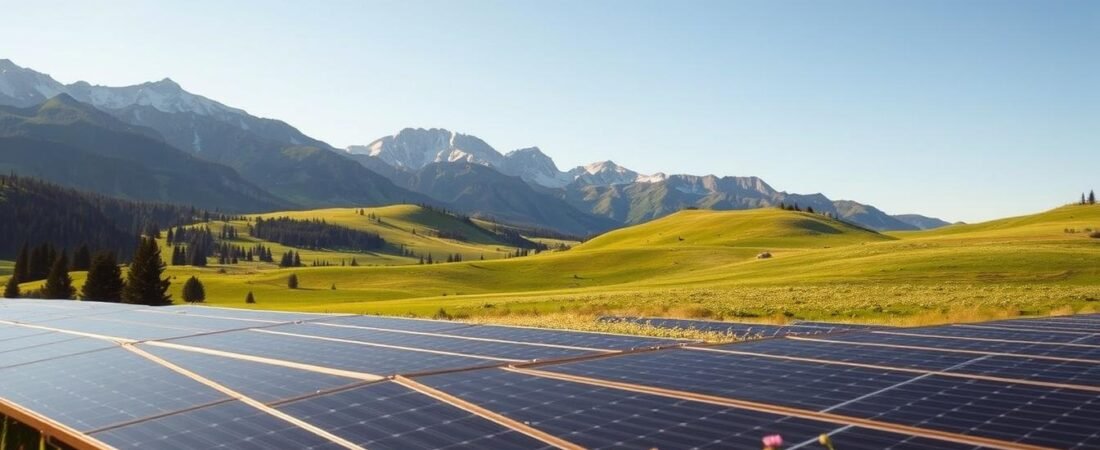
Thinking about going solar? This friendly guide helps Montana homeowners understand the average system price and what drives long-term savings. As of April 2026, the average solar panel system runs about $2.80/W including installation in Montana, and typical systems last 25–30 years.
Choosing a professional installation means your roof and equipment are optimized for steady power and lower monthly electricity bills. Many people offset the upfront price with tax incentives, rebates, or a solar loan.
We’ll walk through key factors like home size, company expertise, financing options, and current rates so you can compare price scenarios with confidence.
Key takeaways: Average rate = $2.80/W in Montana; systems last 25–30 years; incentives and financing shape your final investment and savings.
Understanding the Solar Panel Cost MT Landscape
Understanding the local market helps homeowners decide if rooftop generation makes financial sense over decades.
Why it matters: Locking in predictable energy rates protects households from rising utility bills. A well-sized system on your roof generates home power and stabilizes monthly expenses.
The current landscape shows that average solar panels cost reflect equipment, labor, and permitting. Professional solar installation helps panels capture more sunlight across Montana seasons.
Below is a quick comparison of main drivers and how they affect your total price.
| Factor | Impact | Notes |
|---|---|---|
| System size | High | Larger systems raise upfront price but cut electricity bills faster |
| Roof condition | Medium | Repairs or tilting can add to installation time and costs |
| Installer quality | High | Experienced crews increase performance and long‑term savings |
| Incentives | Variable | Local rebates and federal credits lower net investment |
Takeaway: Compare quotes, check warranties, and match system size to your energy needs to make a confident decision that pays off over years.
Average Pricing and System Size Requirements
Start by sizing a system to match your household use. That choice drives the price and the payback period. A well-matched system reduces bills and speeds return on investment.
System Size and Energy Needs
Most Montana homes need more than a tiny array but less than commercial setups. A 13.8 kW system is the state average and is a common fit for many families.
Quick tips:
- Track monthly electricity to pick the right size for your home.
- Consider roof orientation, household habits, and future loads.
- Net metering from your utility can improve long‑term savings and payback.
Price Ranges by Capacity
Below are typical price points before incentives and expected payback for common system sizes.
| Capacity | Approx. Price (before incentives) | Payback Period (years) | Estimated 25‑yr Savings |
|---|---|---|---|
| 5 kW (small) | $13,900 | 10–12 | $9,800 |
| 13.8 kW (average) | $38,583 | 14.47 | $26,942 |
| 20 kW (large) | $56,000 | 15–18 | $36,000 |
Key Factors Influencing Your Total Investment
Several predictable variables shape what you’ll pay and how much you save over time.
Roof condition and size matter. A sturdy roof with good orientation lowers labor and mounting needs. Repairs or unusual pitch add labor and materials, which raises the price.
Installer expertise affects performance and safety. Local companies such as Yellowball Roofing & Solar (Bozeman, est. 2023) and Freedom Energy (Victor, est. 2012) offer different warranties and workmanship. Compare those details when getting quotes.
Equipment choice drives hardware expenses. High-efficiency modules cost more upfront but often increase long-term savings. Complexity in the panel system, inverters, and mounts changes labor time and total investment.
- Get multiple bids to compare how each installer breaks down labor, permits, and hardware.
- Confirm permits, warranties, and expected energy output in writing.
Bottom line: Review roof work, installer reputation, and equipment choices to ensure your money delivers reliable power and lasting savings over the years.
Comparing Montana Solar Costs to National Averages
Comparing Montana rates to the national picture helps homeowners weigh long‑term returns against local weather patterns. The state gets about 189 sunny days per year, which is below many parts of the U.S.
Impact of sunlight and latitude
How sunlight, equipment, and location change performance
Montana’s northern latitude reduces peak sunlight hours in winter. That makes high-efficiency choices more valuable for steady annual output.
Top-tier options like Maxeon with ~22.8% efficiency can offset fewer sunny days. Choosing efficient modules helps a system meet household electricity needs and keeps lifetime savings strong.
- Production: Fewer sunny days mean higher efficiency yields more usable power.
- Price comparison: Despite climate differences, Montana’s average system price remains competitive nationally.
- Roof and size: Right sizing and placement ensure panels deliver through colder months and over the years.
Navigating Solar Financing and Payment Options
Picking how you pay for a rooftop system affects monthly budgets and lifetime savings.
Cash Purchases
Paying cash gives the quickest payback and full ownership from day one. Homeowners who buy outright avoid interest and boost long‑term returns.
Solar Loans
Loans let you spread the price over several years with predictable monthly payments.
With a low interest rate, a loan can match or beat your current electricity bill while you build equity in the system.
Leases and Power Purchase Agreements
Leases and PPAs require little or no upfront money and cut immediate bills.
But note: these options do not create the same equity as ownership and may limit incentives tied to tax benefits.
“Owning the equipment usually yields the best long‑term savings; financing simply changes the timing.”
- Compare rates, terms, and warranties from a local company.
- Check utility programs to see which financing paths work with net metering and incentives.
Essential Maintenance and Long-Term Care
Simple checks and light cleaning help rooftop systems run near peak output for many years.
Most modules are built to last 25 years or more and need little daily attention. Still, small tasks preserve output and protect your investment.
Quick practices: inspect for debris, watch for loose mounts, and verify inverter lights. If you used a loan to buy the system, upkeep helps ensure it produces enough energy to cover payments.
- Do a visual check every 3–6 months.
- Schedule a professional inspection annually.
- Clean dirty surfaces after pollen or heavy storms.
| Task | Frequency | Who |
|---|---|---|
| Visual inspection | Quarterly | Homeowner |
| Professional check | Annually | Certified installer |
| Deep clean or repairs | As needed | Service technician |
Warranties from quality installation often cover equipment and workmanship for many years. Keep paperwork handy and log service dates.
For a guide to likely maintenance bills and expected service needs, see our detailed review on maintenance and upkeep.
Maximizing Savings Through Local Incentives
Finding and stacking the right incentives is one of the fastest ways to shrink your upfront investment and speed payback.
Why hunt incentives? Local rebates and state tax programs can cut the installation price by hundreds or thousands. That makes your system pay back sooner and raises lifetime savings.
Not every offer applies to every address. Some rebates are limited by utility service area or builder partners. Verify eligibility before you sign a contract.
- Combine the federal credit with state and utility rebates when possible.
- Work with a reputable company that files paperwork and tracks deadlines.
- Ask for a net price estimate showing all credits, rebates, and expected monthly savings.
“Stacking local programs with federal credits yields the largest immediate reduction in price and shortens payback time.”
Action steps: research available incentives, confirm utility rules, and get written estimates that list each saving. Proper planning protects your investment and helps your home start saving money faster.
Evaluating Additional Equipment and Installation Fees
Adding extra equipment can change your project budget more than you expect.
Battery storage and grid connection are the biggest line items to watch.
Adding battery storage typically adds about $10,000 to the total. Storage gives you backup power and lets you use stored energy at night or during outages.
Grid connection fees, permitting, and utility interconnection charges can also increase the final bill. Ask your installer for a written breakdown so you see each fee.
What to ask your installer
- Itemized quote with conduit, wiring, and administrative fees.
- Prices for EV chargers, advanced inverters, and other equipment.
- Warranty and code compliance statements for long-term reliability.
Tip: A full estimate prevents surprises and helps you compare bids fairly. That makes it easier to weigh the value of upgrades versus expected energy savings.
“Always request a clear itemized quote before signing any installation contract.”
Future Trends in Montana Renewable Energy
Montana’s renewable market is changing fast, and a 54% decline in local prices over the last ten years makes adopting clean energy far more attainable for many homeowners.
Competition and tech improvements mean that equipment and installation fees will likely keep falling. Better module efficiency also raises yearly output, so a modern system will outperform older models over the same lifespan.
We expect more flexible buying paths, including wider availability of power purchase plans. Those options let homeowners reduce upfront money and still gain electricity savings over time.
- Lower prices: continued competition drives down the cost to build and install systems.
- More choices: easier access to leases, loans, and power purchase agreements.
- Better tech: higher efficiency panels that last longer and boost savings.
- Policy support: state and federal incentives should keep improving returns for homeowners.
“Falling equipment prices are a strong signal that clean energy will stay affordable for years.”
Stay informed, compare offers, and time your project so you capture available savings, tax benefits, and reliable service that match your home goals.
Conclusion
A clear next step: Taking the next step toward rooftop generation can lock in steadier monthly bills and boost home value.
Understand the numbers: Know the average cost and available incentives so your installation is more affordable and your long-term savings grow.
Compare quotes from multiple installers and pick the financing and maintenance plan that fits your goals. A matched system and routine care help it perform for many years.
Montana’s market is expanding, and now is a good time to explore clean energy for your home. Learn more about our team. Thank you for reading — we hope you feel ready to take the next step toward smarter energy choices.