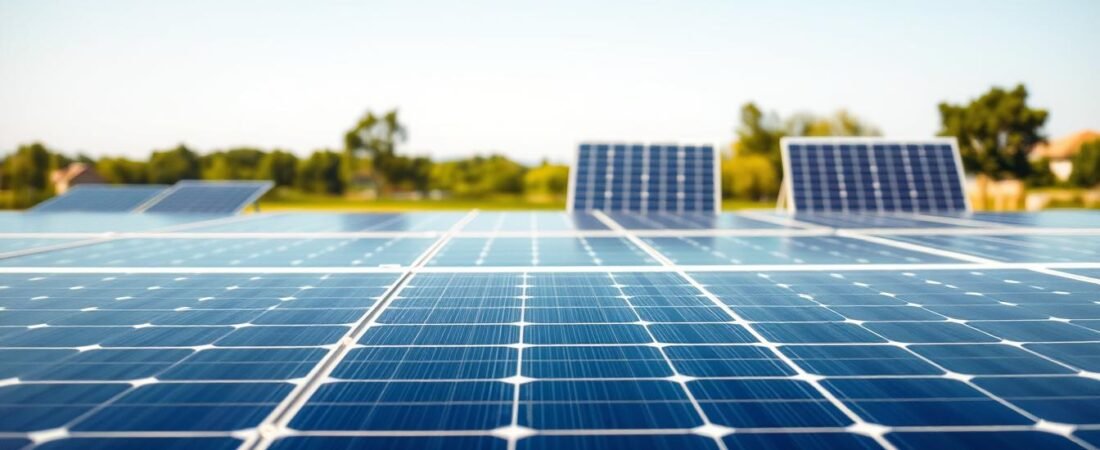
Understanding the true price of a system starts with clear numbers. Homeowners who check the solar panel cost without installation get a realistic view of equipment and long-term savings. Most households need about 12 kW to meet their electricity use.
Upfront figures can look big, but the payoff is real. Many families save between $37,000 and $154,000 over 25 years after switching to clean energy systems. Federal tax credits and state rebates trim the final price and shorten the payback time.
Managing your own installation can cut labor and overhead. Reliable installers still help by offering quotes that outline equipment, system size, and expected savings. Proper maintenance keeps power flowing and protects that investment for decades.
Understanding the True Cost of Solar Energy
A clear budget includes upfront equipment figures and projected electricity savings over decades.
Start by separating the equipment price from other expenses. EnergySage reports a 12 kW system averages $30,505 before incentives and about $2.58 per watt.
Location, roof shape, and equipment quality all affect final numbers. Larger systems typically lower the price per watt, so size matters when you compare value.
“Look beyond the sticker and focus on long-term savings and maintenance needs.”
- Compare multiple quotes from local installers to find the best match for your home.
- Analyze your electricity usage to pick the right system size and maximize savings.
- Choose quality equipment to reduce maintenance and extend the investment life.
| System Size | Avg Price | Price per Watt | Typical 25-yr Savings |
|---|---|---|---|
| 6 kW | $15,250 | $2.54 | $37,000 |
| 12 kW | $30,505 | $2.58 | $75,000 |
| 20 kW | $51,600 | $2.58 | $154,000 |
Breaking Down Solar Panel Cost Without Installation
Knowing how each line item adds up makes it easier to plan your overall system investment.
Equipment costs drive nearly half of the total price. For a typical 12 kW setup, expect about $14,055 for modules, inverters, racking, and wiring. The modules themselves are less than one-third of that equipment total.
Soft costs cover permitting, inspections, system design, and utility fees. These fees often add a few thousand dollars to the project and vary by state and local requirements.
Key takeaways
- Equipment and supply-chain charges make up ~46% of the total system price.
- Installer labor and overhead typically account for the other ~46% of a full quote.
- Choosing advanced inverters can raise upfront price but improve long-term savings.
- A 30% federal tax credit can significantly lower your net investment.
“Itemizing hardware and service fees helps homeowners choose the right system size and installers.”
The Role of Equipment Quality in Your Budget
Choosing higher-grade equipment changes both performance and long-term value for a home energy system.
Higher-efficiency modules and solid inverters reduce losses and repair needs over decades.
Monocrystalline vs Polycrystalline
Monocrystalline units offer the best efficiency and fit most rooftop systems today. They need less space to deliver the same output as polycrystalline models.
Polycrystalline options cost less upfront but may require more modules to meet demand. Thin-film remains the cheapest choice but rarely suits typical home setups.
- Warranty and lifespan: Premium gear often comes with longer guarantees.
- Racking and layout: Some models need more complex mounting, which affects installation costs and design.
- Inverters matter: Higher-quality inverters cut the odds of early replacement and downtime.
| Equipment Type | Efficiency | Typical Price Range | Space Needed |
|---|---|---|---|
| Monocrystalline | High (18–23%) | Mid–High | Low |
| Polycrystalline | Moderate (15–18%) | Low–Mid | Higher |
| Thin-film | Low (10–12%) | Low | High |
“Investing a bit more in quality hardware often pays back in higher production and fewer repairs.”
For homeowners weighing options, read a short guide on whether to buy your own equipment for deeper cost comparisons: should you buy your own solar.
How System Size Influences Your Total Investment
Choosing the right system size has the biggest effect on what you’ll ultimately pay and how much power your home gets.
Larger arrays usually mean a lower price per watt. Soft fees like permitting and design get spread across more watts, so per-unit panels cost falls as capacity rises.
A 12 kW system is common for many U.S. homes, but your annual electricity use should guide the final decision.
Install a system that offsets yearly demand and you maximize monthly utility savings. Buying more capacity now often avoids expensive add-ons later.
- Size impacts total project price and long-term savings.
- Larger systems produce more electricity and lower per-unit costs.
- Your installer will check roof space, sun exposure, and past bills to set the ideal capacity.
- Maintenance matters more for bigger setups—regular checks keep panels producing expected power.
“Choose a system size that matches your consumption to get the best financial and energy returns.”
Impact of Roof Characteristics on Project Expenses
Roof shape, exposure, and electrical readiness shape what you’ll pay.
How your roof faces and its complexity can add real dollars to a project. A south-facing roof at about a 30-degree slope with full sun is the most cost-effective setup for solar panels. That layout often needs fewer panels to meet your energy needs and lowers long-term price.
Roof Complexity
Multiple roof planes, dormers, or skylights increase labor and time. That raises installation costs and may limit how many panels fit. Removing shade trees can add $300–$1,500 to your budget.
Electrical Panel Upgrades
Older homes often need an electrical panel upgrade. Most installers recommend at least a 200 amp electrical panel to handle new systems and avoid overloaded wiring.
- Minor repairs before work can prevent delays.
- Complex roofs increase both labor and materials.
- Panel upgrades help the system integrate with home power and utility rules.
| Factor | Typical Impact | Estimated Range |
|---|---|---|
| Roof orientation | Reduces needed panels | Lower overall price |
| Complex roof layout | More labor, fewer panels | +$500–$3,000 |
| Tree removal | Clears shading | $300–$1,500 |
| Electrical panel upgrade | Meets power needs | $1,000–$3,500 |
Plan early: assessing roof condition and electrical capacity ahead of time helps avoid surprises and keeps costs predictable.
Regional Variations in Solar Pricing
Where you live plays a big role in how much a home energy system will run. Regional differences in labor, permitting, and sunlight change the final price you pay for panels and equipment.
Some states are noticeably cheaper or dearer than others. For example, Arizona often has one of the lowest average costs, thanks to strong sun and competitive markets. In contrast, Nebraska and South Dakota tend to see higher pricing per watt.
Key regional factors:
- Local labor markets and permitting fees push prices up or down.
- Sun exposure affects how many panels and what system size you need.
- State rebates, tax credit programs, and net metering rules change net price and long-term savings.
- Competition among installers in your state can lower quotes and speed permitting.
“Get multiple local quotes and check state incentives to estimate realistic prices and payback.”
Research your state’s rules and speak with local installers. That helps you predict average cost, judge potential savings, and plan maintenance that keeps power flowing for years.
Calculating Your Potential Solar Payback Period
Knowing how long it takes to recoup your outlay turns an abstract purchase into a clear financial plan.
How to calculate ROI
Divide the final price of your system by the annual savings on your utility bills. That result is the payback period in years.
Most homeowners see an average payback of about ten years. Faster utility rate inflation shortens that time. Incentives like the federal tax credit also cut the effective price and speed returns.
Factors that change payback
- System size and panel efficiency affect annual production and savings.
- Local incentives and net metering alter net price and yearly benefit.
- Maintenance and future loads (EVs, heat pumps) change long-term returns.
“A shorter payback period means you begin enjoying largely free electricity sooner.”
| Metric | Typical Value | Impact on Payback |
|---|---|---|
| Average payback | ~10 years | Common baseline |
| 25-year savings | $37,000–$154,000 | Long-term benefit range |
| Incentives | Federal tax credit, local rebates | Shorten payback by reducing net price |
Navigating Federal and Local Solar Incentives
Claiming tax breaks and local rebates can cut years off your payback timeline. The federal tax credit currently lets homeowners deduct 30% of their system costs from federal taxes. That credit alone reduces the upfront price for many families.
Local and utility programs add more savings. State rebates, performance-based incentives and SRECs reward the electricity your panels produce. Net metering can credit excess power sent to the grid, boosting monthly savings.
Eligibility rules vary by state and utility. Confirm deadlines, program caps, and whether your homeowner tax liability lets you use the full credit. Some rebates apply at point of sale; others arrive as refunds or credits.
“Combine federal credits with local rebates to significantly lower the net price of your system.”
- Ask your installer to list eligible rebates and help with paperwork.
- Track SREC and performance payments if offered by your utility.
- Re-check incentive status before you buy—programs can change.
Comparing Cash Purchases Versus Financing Options
Choosing how you pay for a home energy system shapes both immediate bills and long-term returns. Paying cash usually gives the best long-term savings because you avoid interest and lender fees. That route also makes it easier to claim a federal tax credit and other incentives.
Solar Loans
Loans let homeowners own their system while spreading payments. They make upgrades accessible if you lack upfront cash.
Be aware: interest and dealer fees increase total price. Compare APRs, loan length, and early-payoff terms to protect savings.
“A loan can speed adoption, but it changes the payback math and total outlays.”
Power Purchase Agreements
PPA and lease deals often require no money down and let you pay for the electricity produced instead of buying hardware.
These options lower upfront barriers, but you don’t own the system. That can affect eligibility for some federal tax credits and local incentives.
- Cash: Highest long-term savings, full ownership, straightforward tax credit use.
- Loan: Ownership with spread payments; watch interest and fees.
- PPA/Lease: Low entry cost, payments for power, limited incentive access.
| Option | Ownership | Upfront | Typical Benefit |
|---|---|---|---|
| Cash | Yes | High | Max long-term savings |
| Loan | Yes | Low–Medium | Spread cost, retain incentives |
| PPA / Lease | No | None | Lower upfront barrier, pay for power |
Bottom line: match financing to your cash flow, tax situation, and how quickly you want to recoup savings. Read contracts closely so interest rates, term length, and incentive rules do not erode the gains you expect.
Hidden Expenses to Consider for Your Project
Small surprises can add thousands to your project budget if you don’t plan ahead. A few common items often get left out of initial quotes, and they can change your final numbers.
Electrical panel upgrades are a frequent add-on. Many homes need a 200‑amp panel to meet new equipment demands, and upgrades can cost several thousand dollars.
Tree trimming or removal to improve sun exposure typically runs from $300 to $1,500 depending on the work needed. Roof repairs or reinforcement before any panel installation should also be budgeted.
Permitting and interconnection fees add another few thousand in some areas. Installers may also charge more for complex roofs or difficult access. Ongoing maintenance is a small but real recurring expense.
“Set aside a contingency fund and ask installers for a full, itemized quote to avoid surprises.”
| Hidden Expense | Typical Range | Why it matters |
|---|---|---|
| Electrical panel upgrade | $1,000–$3,500 | Needed for safe capacity and code compliance |
| Tree trimming/removal | $300–$1,500 | Improves exposure and boosts energy production |
| Roof repairs/reinforcement | $500–$5,000+ | Prevents leaks and ensures secure mounting |
| Permitting & interconnection | $200–$2,000 | Required by local authorities and utilities |
Conclusion
An informed purchase blends equipment quality, roof fit, and available incentives. Evaluate estimated savings, local rebates, and federal tax breaks so you know the net price and likely payback.
Compare multiple quotes and review warranty details. Check how system size, roof characteristics, and financing choices affect long-term returns.
Remember that a typical payback runs around ten years, after which your home energy system delivers decades of mostly free power. Get started by assessing your roof, gathering quotes, and confirming incentives in your area.
Take action: evaluate options now to lock in savings and move toward energy independence.